Redefining Performance: What Athletes Know That Fundraisers Don’t
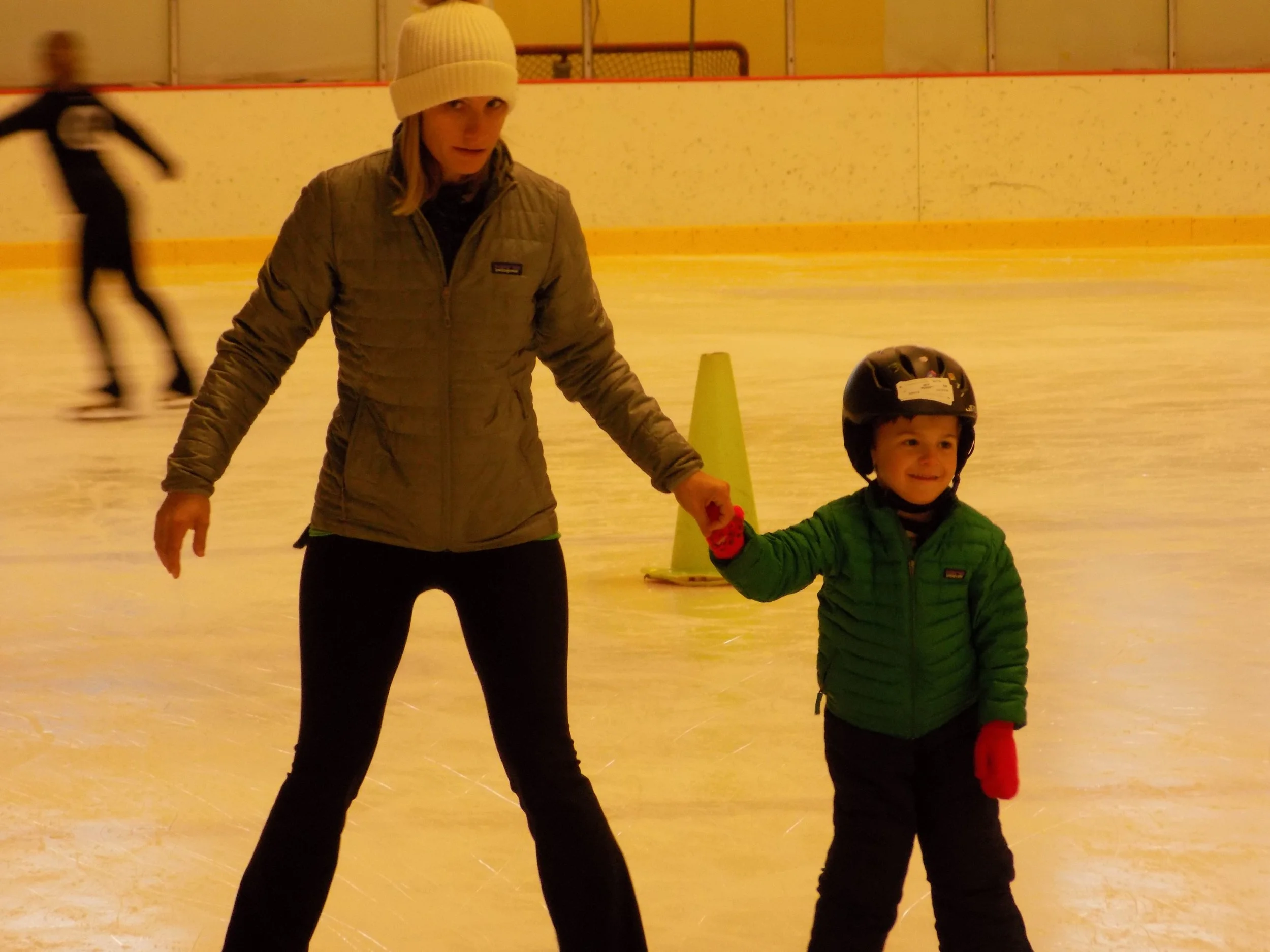
I stumbled upon this old photo.
My son was about four. Wobbly. Wearing a helmet three sizes too big. And fearless.
Every time he stumbled, he would look up, ask a question, and try again. No shame. No self-doubt. Just: What do I do differently next time?
That's the thing about kids—they haven't learned yet that performance is supposed to feel like pressure.
Somewhere between childhood and adulthood, we forget that performance isn't about perfection. It's about growth. Movement. Learning what works by discovering what doesn't.
I've built a career on trying things—some brilliant, some spectacularly wrong. I've pitched donors too early, hired the wrong people, designed strategies that flopped. And every single time, I got up, asked better questions, adjusted, and moved forward.
That's not failure. That's performance. But in today's workplace, that word—performance—has become loaded. It implies surveillance. Metrics. The constant threat of not being enough.
Especially in fundraising.
This winter, the world's best athletes will compete at the highest level - the Olympics. We'll watch in awe as they execute moves that seem impossible, break records, push past what we thought humans could do.
But here's what we do not see: the infrastructure wrapped around every single one of them.
Elite athletes don't perform alone. They have coaches who see their blind spots. Sports psychologists who help them manage pressure. Nutritionists, trainers, biomechanics experts, recovery specialists. An entire ecosystem designed to help them show up at their best when it matters most.
No one questions whether they need this support. We know they do.
So why do we expect fundraisers to perform without it?
We send gift officers into million-dollar conversations with a case for support, a CRM login, and a prayer.
We tell them to "build relationships" but never help them understand their own relational patterns and mindset.
We measure their activity but rarely develop their confidence, self-awareness, or emotional intelligence—the actual drivers of donor connection.
And then we wonder why they burn out. Why gifts stall. Why talented people leave.
It's not a fundraising problem. It's a support problem.
Performance is not about squeezing more productivity out of people. It's about creating conditions where people can thrive—where they understand themselves, trust their instincts, and show up authentically to donors.
When fundraisers have that kind of support, everything changes. Conversations feel different. Relationships deepen. Gifts close. Because donors don't give to organizations. They give to people they trust.
Let’s view performance as potential rather than pressure.
Not metrics for the sake of metrics. But developing the people behind the asks so they can perform at their highest level—with clarity, confidence, and purpose.
Just like Olympic athletes.
Because if we're going to ask our fundraisers to do work that matters—to carry transformational conversations, to steward million-dollar relationships, to advance missions that change lives—we owe them more than a pipeline and a pep talk.
We owe them the same investment we give to anyone performing at the highest level: real support, real development, real tools to succeed.
So here is my question: What would change if we wrapped our fundraisers in the same kind of support we give Olympic athletes?
What if we stopped treating performance as something to monitor and started treating it as something to develop?
What if learning, asking questions, trying again—just like my son on that ice rink—was just part of the process?
The sector is ready for this shift.